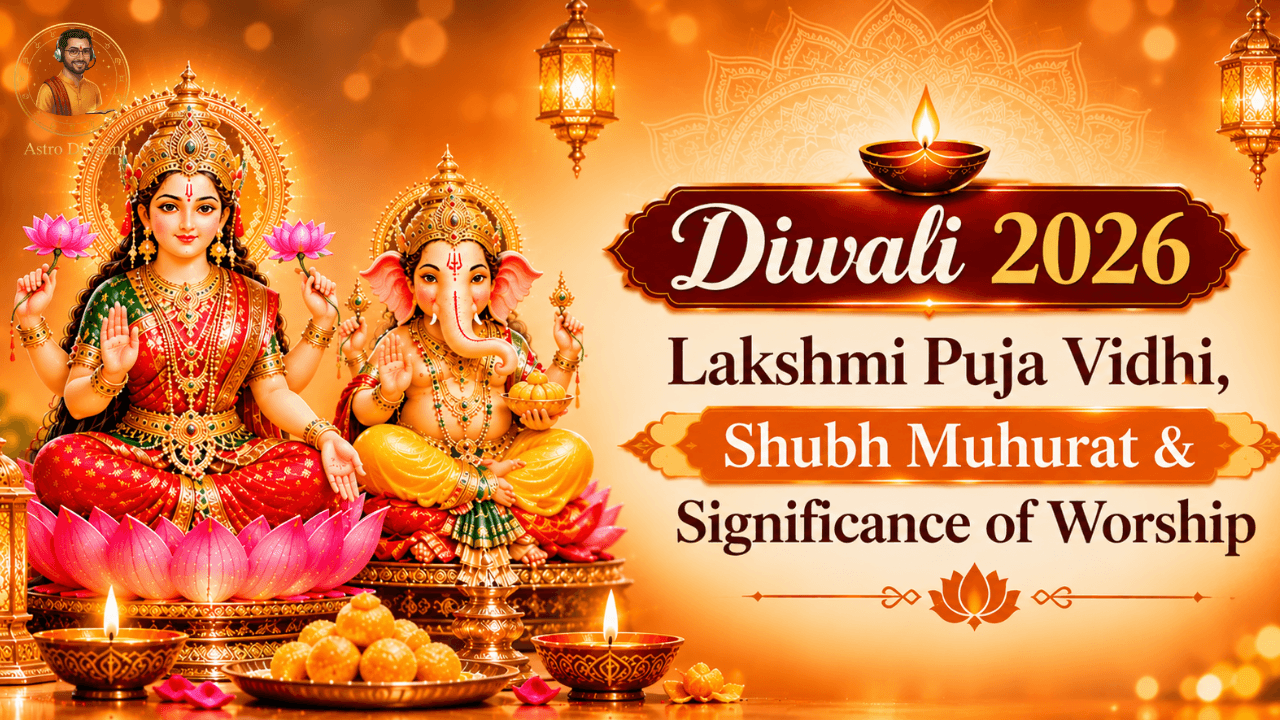
Diwali is one of the most beautiful and spiritually meaningful festivals in India. Known as the festival of lights, it represents the victory of good over evil, knowledge over ignorance, and hope over negativity. Every year, millions of families celebrate this occasion by decorating their homes, lighting diyas, exchanging gifts, and worshipping Goddess Lakshmi and Lord Ganesha for happiness, prosperity, and success.
Diwali is not only about celebrating with lights and sweets. It is also a time to reflect on life, release negative thoughts, strengthen relationships, and welcome new opportunities. Many people consider this festival especially auspicious for financial planning, business beginnings, career goals, and family prayers.
According to Hindu traditions, Goddess Lakshmi is worshipped on Diwali to seek blessings for wealth, abundance, peace, and good fortune. Lord Ganesha is worshipped alongside her because he represents wisdom, new beginnings, and the removal of obstacles.
Diwali 2026 will be celebrated on Sunday, 8 November 2026. Knowing the correct puja timings, traditional rituals, and spiritual significance can help devotees prepare for the occasion with devotion.
Let's understand the date, Shubh Muhurat, Lakshmi Puja Vidhi, astrological significance, and traditional remedies associated with this special festival.
Diwali 2026 Date and Shubh Muhurat
Diwali is celebrated on Kartik Amavasya, the new moon day of the Hindu lunar month of Kartik. This night is considered especially significant for worshipping Goddess Lakshmi.
In 2026, Diwali falls on Sunday, 8 November. Devotees will perform Lakshmi-Ganesh Puja during the evening Pradosh period.
Here are the important timings for New Delhi:
Event | Date and Timing |
|---|---|
Diwali 2026 | Sunday, 8 November 2026 |
Lakshmi Puja Muhurat | 5:54 PM to 7:50 PM |
Pradosh Kaal | 5:31 PM to 8:09 PM |
Vrishabha Lagna | 5:54 PM to 7:50 PM |
Amavasya Tithi Begins | 11:27 AM, 8 November |
Amavasya Tithi Ends | 12:31 PM, 9 November |
Nishita Kaal Puja | 11:39 PM to 12:31 AM |
These timings are based on the New Delhi Panchang. The muhurat may differ depending on your city and local Panchang calculations. Check the timings applicable to your location before performing the puja.
The evening Vrishabha Lagna is traditionally considered particularly suitable for Lakshmi Puja because Taurus is a fixed sign associated with stability and material prosperity. Many families prefer performing their main Diwali worship during this period.
Why Is Lakshmi Puja Important on Diwali?
Goddess Lakshmi is considered the deity of wealth, prosperity, beauty, abundance, and good fortune in Hindu tradition. Worshipping her on Diwali is believed to invite positive energy and create an atmosphere of peace and prosperity within the household.
However, wealth does not always mean money alone. A prosperous life also includes good health, supportive relationships, emotional stability, professional satisfaction, and peace of mind.
That is why Lakshmi Puja holds importance for people from different walks of life.
Business owners seek blessings for financial growth and successful ventures. Working professionals pray for career opportunities and recognition. Married couples seek harmony and understanding in their relationships, while families pray for happiness and stability.
Lord Ganesha is also worshipped during this occasion. According to Hindu beliefs, his blessings help devotees overcome obstacles and make wise decisions.
The combination of Lakshmi and Ganesha represents an important message: prosperity should be supported by wisdom, responsibility, and positive actions.
Diwali 2026 Lakshmi Puja Vidhi: Step-by-Step Rituals
Performing Lakshmi Puja does not require complicated arrangements. What matters most is devotion, cleanliness, and a peaceful state of mind.
Here is a traditional step-by-step puja procedure that families can follow at home.
1. Clean and Decorate Your Home
Cleaning the house is one of the most important preparations for Diwali. Traditionally, people believe that Goddess Lakshmi visits clean, organised, and welcoming homes.
Before the festival, clean the entrance, living room, kitchen, and puja area. Decorate your home with flowers, rangoli, torans, and diyas.
Pay special attention to the main entrance because it represents the welcoming space of your home.
2. Prepare the Puja Area
Choose a clean and peaceful place for the puja. Place a red or yellow cloth on a small platform and arrange the idols or pictures of Goddess Lakshmi and Lord Ganesha.
Keep the idols facing the appropriate direction according to your family tradition. Arrange the puja materials neatly so that everything is ready before the auspicious time.
3. Gather the Required Puja Samagri
Before starting the rituals, arrange the necessary items.
Commonly used Diwali puja materials include:
• Idols or pictures of Goddess Lakshmi and Lord Ganesha
• Red or yellow cloth
• Roli, kumkum, and turmeric
• Akshat (uncooked rice)
• Fresh flowers and garlands
• Fruits and sweets
• Panchamrit
• Betel leaves and nuts
• Coconut
• Incense sticks and camphor
• Ghee or oil diyas
• Kalash filled with water
• Coins and a small amount of currency
• Aarti thali
You can also include items traditionally used in your family. There is no need to feel stressed about arranging every possible item.
4. Establish the Kalash
Place a clean kalash filled with water near the puja arrangement. Add mango leaves and place a coconut on top if following this traditional method.
The kalash symbolises purity, abundance, and auspicious beginnings.
Offer prayers and seek blessings for your family, home, and future activities.
5. Worship Lord Ganesha First
Begin the puja by remembering Lord Ganesha.
Offer flowers, kumkum, akshat, and sweets. Light an incense stick and pray for wisdom, clarity, and the removal of obstacles.
You can chant:
Om Gan Ganapataye Namah
Repeat the mantra with devotion and a peaceful mind.
6. Perform Goddess Lakshmi Puja
After worshipping Lord Ganesha, offer prayers to Goddess Lakshmi.
Offer flowers, sweets, fruits, and other traditional items. Apply tilak to the idol and offer akshat.
Devotees may chant:
Om Shreem Mahalakshmyai Namah
This mantra is traditionally associated with Goddess Lakshmi and prayers for abundance and prosperity.
You can also recite Shri Lakshmi Aarti or Lakshmi Chalisa according to your family tradition.
7. Worship the Account Books and Money
Many business owners worship their account books, cash boxes, business records, and tools of work during Diwali.
This ritual is commonly associated with gratitude for the income earned during the year and prayers for responsible financial growth in the coming year.
You can also use this occasion to review your savings, spending habits, and financial goals.
8. Perform Aarti and Light Diyas
Once the main puja is complete, perform the aarti of Goddess Lakshmi and Lord Ganesha.
Light diyas around the entrance, balconies, windows, and puja area. Traditionally, these lights represent the removal of darkness and the arrival of positivity.
Finish the rituals by distributing prasad among family members.
Spiritual and Astrological Significance of Diwali 2026
Diwali has a special place in Vedic traditions because it takes place on Amavasya, when the Moon is not visible in the night sky.
In astrology, the Moon is associated with the mind, emotions, mental peace, and inner stability. Its connection with the mind makes the Amavasya period spiritually meaningful for reflection, prayer, and traditional worship.
The absence of visible moonlight is also interpreted symbolically as an opportunity to bring light into areas of life where confusion or uncertainty may exist.
Lighting diyas represents hope, awareness, and the intention to move towards positive decisions.
From an astrological perspective, the festival encourages people to reflect on their planetary influences, personal challenges, and future goals.
However, planetary placements should always be understood through an individual's birth chart rather than general assumptions about everyone.
How Diwali Worship Can Be Connected With Your Kundli
Every individual experiences different situations in life. Some people struggle with career stability, while others face financial uncertainty, relationship misunderstandings, or delays in marriage.
Vedic astrology studies the planetary positions and houses in a person's birth chart to understand different areas of life.
Diwali can be a meaningful occasion to reflect on these concerns and seek spiritual guidance.
Here is how different kundli factors are traditionally connected with important life areas.
1. Financial Growth and Money Problems
Financial stability is one of the most common reasons people worship Goddess Lakshmi during Diwali.
In Vedic astrology, the second house is associated with accumulated wealth, savings, family resources, and speech. The eleventh house represents income, gains, and fulfilment of desires. The fifth and ninth houses are also considered while understanding opportunities and fortune.
Jupiter and Venus are among the planets traditionally associated with prosperity and material comforts.
If someone experiences repeated financial difficulties, an astrologer may examine the strength of these houses, planetary placements, and relevant dashas.
Diwali is a good time to develop healthier financial habits, offer prayers, and set realistic savings goals.
Traditional Lakshmi worship can be combined with practical steps such as avoiding unnecessary expenses, managing debt, and planning investments carefully.
2. Career Growth and Professional Opportunities
Career uncertainty can create stress, particularly when someone is working hard but not receiving the expected recognition or opportunities.
In Vedic astrology, the tenth house represents profession, reputation, responsibilities, and career direction. The sixth house is associated with service, competition, and daily work, while the eleventh house represents professional gains.
Saturn is traditionally connected with discipline, patience, hard work, and long-term responsibilities. The Sun represents authority, confidence, and recognition.
A kundli analysis may help identify periods traditionally considered favourable for career changes, professional development, or taking on new responsibilities.
During Diwali, devotees can pray for clarity, confidence, and the strength to make better professional decisions.
3. Love Life and Relationship Understanding
Relationships need communication, trust, patience, and emotional understanding.
Sometimes people experience repeated misunderstandings, emotional distance, or uncertainty about their future with a partner.
In Vedic astrology, the fifth house is associated with romance and emotional expression, while the seventh house represents marriage and partnerships.
Venus is traditionally associated with love, attraction, harmony, and relationships. The Moon is connected with emotional needs and mental comfort.
An astrologer may study these placements to understand relationship patterns and compatibility factors.
Diwali is an opportunity to let go of unnecessary conflicts, reconnect with loved ones, and make an effort to improve communication.
Spiritual practices can support emotional reflection, but healthy relationships also require mutual respect and consistent effort.
4. Marriage Delays and Compatibility
Marriage is an important life decision, and uncertainty about finding the right partner can sometimes create pressure.
According to Vedic astrology, the seventh house is one of the key houses considered for marriage and long-term partnerships. Venus, Jupiter, the Navamsa chart, and the planetary dasha are also examined during marriage-related analysis.
Kundli matching is traditionally used to understand compatibility between two individuals before marriage.
During Diwali, families may pray for happiness, understanding, and harmony in married life.
If you are facing marriage-related questions, an individual birth chart consultation can provide traditional astrological perspectives about compatibility and favourable periods.
It is important to remember that marriage decisions should also consider personal values, communication, mutual respect, and practical compatibility.
Traditional Diwali Remedies for Peace, Prosperity and Positive Energy
Many families follow simple spiritual practices during Diwali to invite positivity and express gratitude.
These remedies are based on traditional Hindu beliefs and should be approached with faith rather than expectations of guaranteed results.
1. Light a Ghee Diya Near the Puja Area
Lighting a ghee diya during Lakshmi Puja is a traditional practice.
It represents purity, devotion, and the removal of darkness. You can place it near your home temple and offer prayers for peace and happiness.
2. Chant the Lakshmi Mantra
Chanting the Lakshmi mantra is a common practice among devotees.
Om Shreem Mahalakshmyai Namah
You can chant it 11, 21, or 108 times according to your comfort and family tradition.
The purpose is to focus your mind on gratitude, abundance, and positive intentions.
3. Offer Flowers to Goddess Lakshmi
Fresh flowers, particularly lotus flowers where available, are traditionally offered to Goddess Lakshmi.
This practice symbolises devotion, purity, and respect.
4. Donate Food and Essentials
Charity is an important part of many Diwali traditions.
Consider donating food, clothes, or essential items to people who need support. Helping someone can bring a meaningful sense of happiness and gratitude.
5. Keep Your Financial Space Organised
Clean your cupboard, wallet, and place where you keep important financial documents.
Business owners can organise their account books and review their business plans.
This simple practice combines traditional ideas of cleanliness with practical financial discipline.
6. Spend Time With Family
Diwali is also a festival of relationships.
Spend quality time with family members, resolve misunderstandings where possible, and express appreciation for the people who support you.
Emotional well-being is an important part of a prosperous life.
Why Is Lord Ganesha Worshipped Along With Goddess Lakshmi?
One of the most important traditions of Diwali is worshipping Lord Ganesha and Goddess Lakshmi together.
The reason is deeply connected with the meaning of prosperity.
Goddess Lakshmi represents wealth, abundance, and material well-being, while Lord Ganesha represents wisdom, intelligence, and the removal of obstacles.
Having wealth without wisdom may lead to poor decisions. Similarly, opportunities become more meaningful when a person has the knowledge and patience to use them responsibly.
That is why both deities are worshipped together.
Their combined worship reminds devotees that financial success should be accompanied by good values, thoughtful decisions, and gratitude.
For families, this tradition also represents the hope for a balanced life with happiness, stability, and harmony.
What Should You Avoid During Lakshmi Puja?
While performing Diwali worship, devotees traditionally try to maintain a peaceful and respectful environment.
Here are a few things to keep in mind:
• Avoid arguments and unnecessary negativity during the puja.
• Do not rush through the rituals only to complete them quickly.
• Keep the puja area clean and organised.
• Avoid wasting food and other resources.
• Do not treat religious remedies as a substitute for responsible financial or personal decisions.
• Follow your family traditions and the guidance of a knowledgeable priest where needed.
Remember, the purpose of Lakshmi Puja is not simply to perform rituals but to develop gratitude, discipline, kindness, and positive intentions.
How Astro Dhyaan Can Help You Understand Your Astrological Journey
Every person has a different birth chart, and the challenges experienced by one individual may be completely different from those of another.
General horoscope predictions can provide broad insights, but personalised astrology considers the exact date, time, and place of birth.
Astro Dhyaan helps individuals explore traditional astrological guidance for different aspects of life, including career, marriage, relationships, finances, and personal growth.
Through kundli analysis, users can explore planetary positions, understand important houses, and seek guidance about traditional astrological interpretations of different life situations.
If you are experiencing career confusion, marriage-related uncertainty, financial concerns, or relationship difficulties, consulting an experienced astrologer may help you look at your situation from a different perspective.
You can also explore services such as daily horoscope predictions, online astrology consultations, kundli matching, tarot card readings, and numerology guidance.
The purpose of astrology should be to encourage awareness and thoughtful decision-making, not to create fear or make unrealistic promises about the future.
Frequently Asked Questions About Diwali 2026
1. When is Diwali in 2026?
Diwali will be celebrated on Sunday, 8 November 2026. The festival is observed on Kartik Amavasya and is associated with the worship of Goddess Lakshmi and Lord Ganesha.
2. What is the Lakshmi Puja Shubh Muhurat in 2026?
For New Delhi, the main Lakshmi Puja Muhurat is from 5:54 PM to 7:50 PM on 8 November 2026. These timings are based on the local Panchang and may vary in other cities.
3. Why is Goddess Lakshmi worshipped on Diwali?
Goddess Lakshmi is worshipped as the deity of wealth, prosperity, abundance, and good fortune. Devotees seek her blessings for financial stability, happiness, peace, and success.
4. Which direction should Goddess Lakshmi face during Diwali Puja?
Many families arrange the puja according to traditional Vastu and family customs, often placing the idols facing east or west depending on the arrangement. There is no need to become anxious about minor differences in household practices.
5. Which mantra should be chanted during Lakshmi Puja?
A commonly recited mantra is:
Om Shreem Mahalakshmyai Namah
Devotees may chant it with concentration and devotion during the puja.
6. Can we perform Lakshmi Puja at home?
Yes. Families can perform Lakshmi Puja at home by cleaning the puja area, arranging the required materials, worshipping Lord Ganesha first, offering prayers to Goddess Lakshmi, and performing aarti.
7. How can astrology help with financial and career problems?
Vedic astrology examines different houses, planets, and planetary periods to understand traditional interpretations of career and financial matters. A personalised kundli reading may provide additional perspective, while practical planning and informed decisions remain essential.
Welcome Prosperity, Happiness and New Beginnings This Diwali
Diwali is more than a festival of lights. It is a reminder that every individual deserves hope, happiness, peace, and opportunities for a better future.
As you celebrate Diwali 2026, take some time to express gratitude, strengthen your relationships, review your goals, and welcome positive changes into your life.
Perform Lakshmi Puja with devotion, follow your family traditions, and pray for wisdom and prosperity. Whether you are hoping for career growth, a happy married life, financial stability, or emotional peace, remember that positive intentions become meaningful when supported by patience and the right actions.
May Goddess Lakshmi bless your home with abundance, Lord Ganesha remove obstacles from your path, and this Diwali bring happiness and new opportunities for you and your family.
Want to understand what your kundli says about your career, marriage, love life, or financial future? Explore personalised astrology guidance, connect with experienced astrologers, and discover more spiritual insights through the Astro Dhyaan app.
Download the Astro Dhyaan app and take a step towards understanding your astrological journey. [ Click to Download ]
Wishing you and your family a very Happy and Prosperous Diwali 2026!